
Roof Rack Sales and Installation in Bridgeville, PA
Kayaks, bikes, skis, cargo boxes, camping gear, work equipment. You know what you want to carry. Figuring out which rack actually fits your vehicle is the part that stops most people. Tell us what you drive and what you are hauling, and Xtreme will sort out the fitment, source the complete system, and install it right here in Bridgeville, just off I-79 at Exit 54.
Not sure what fits? Contact us and let us help.
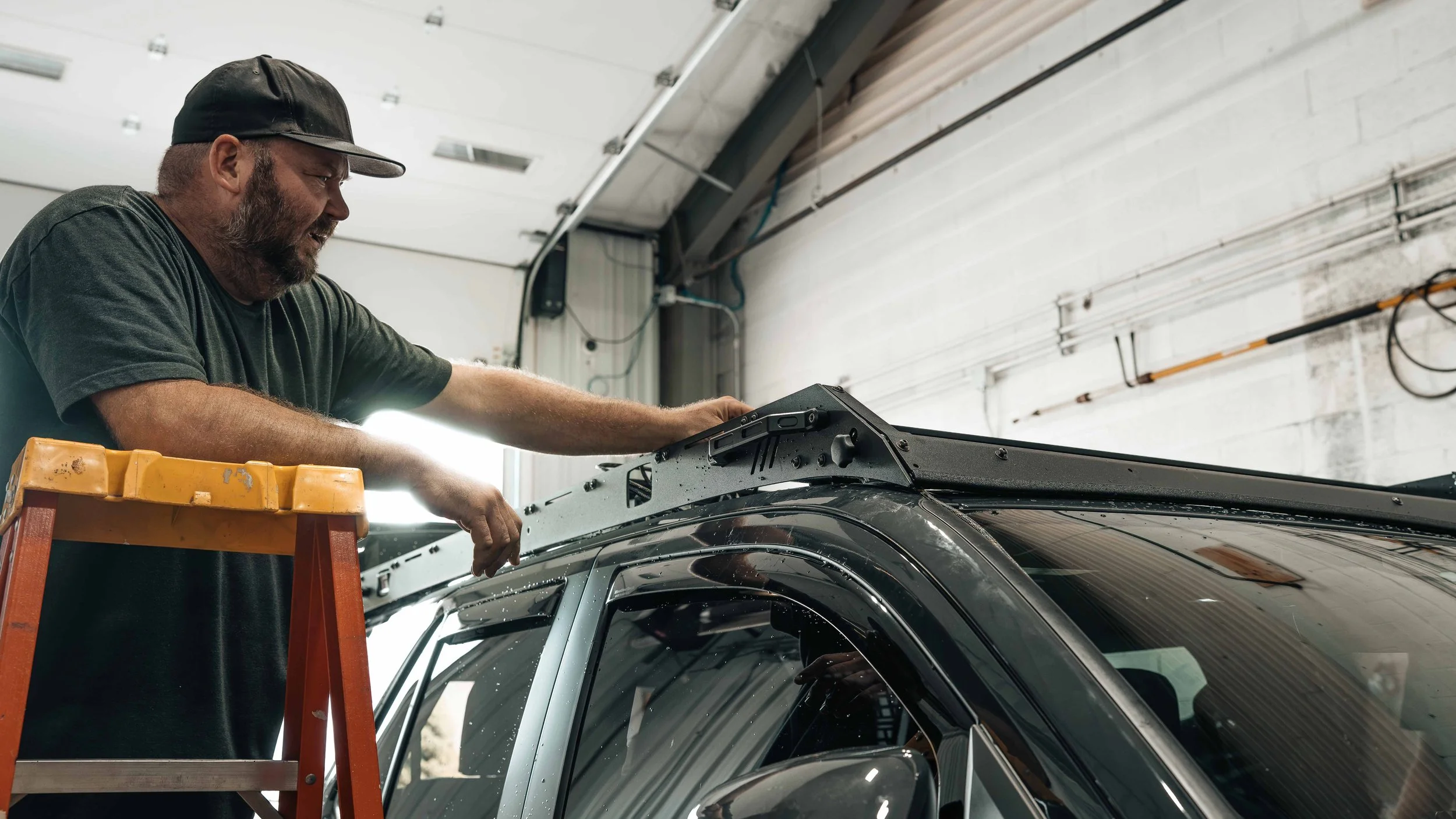
A roof rack is a system, not a single part. We handle the part that trips people up.
We Figure Out What Actually Fits
It starts with your year, make, model, and what your roof looks like now. Raised rails, flush rails, factory crossbars, hidden mounting points, or a bare roof. That answer decides everything after it.
We Source the Complete System
Bars, towers, feet, and the fit kit for your specific vehicle. All of it in one order, so nothing shows up missing and nothing sits in the garage waiting on a part.
We Install It Without Drilling Your Roof
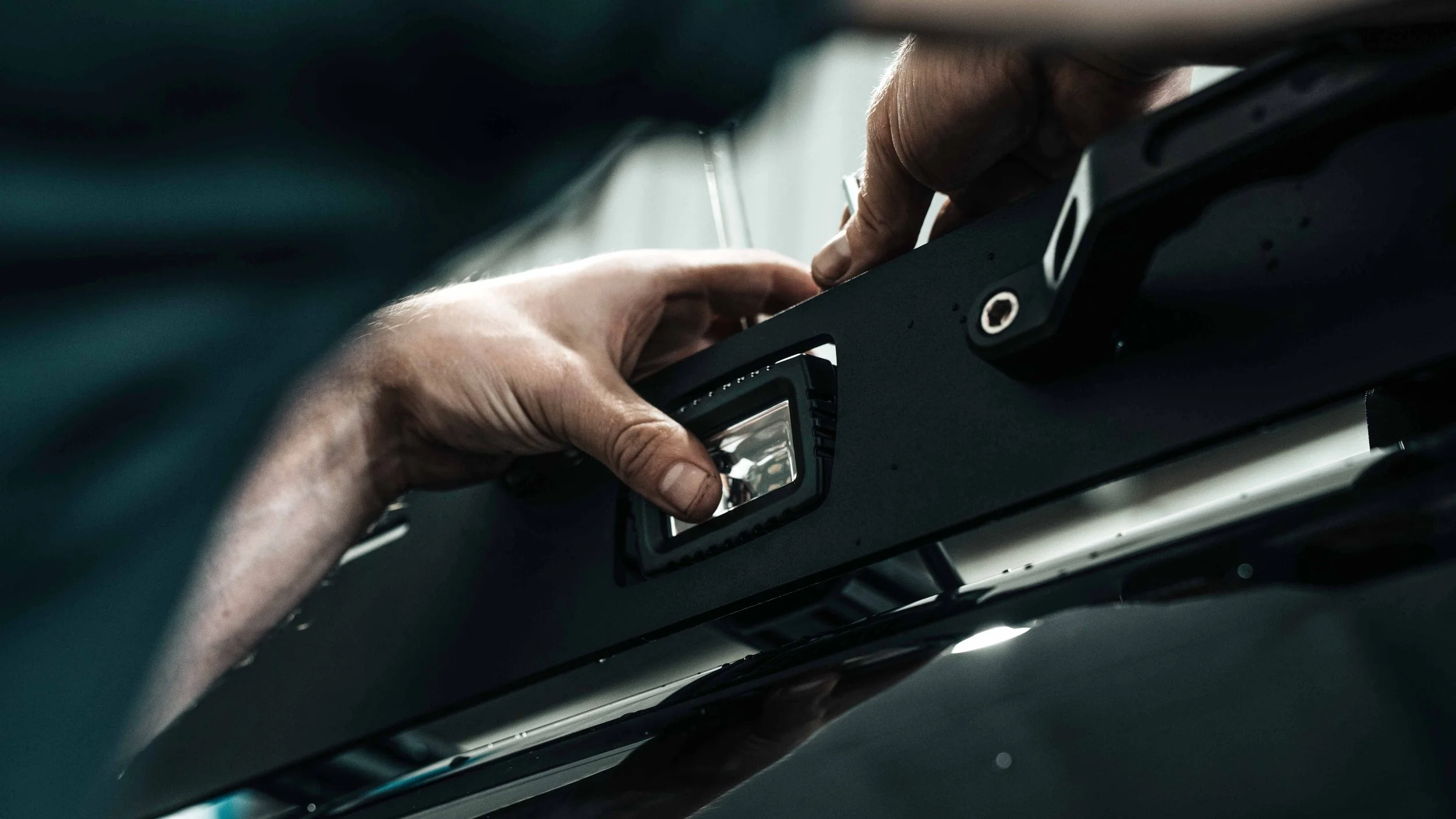
We mount to factory rails, factory anchor points, or door-frame clips. We do not drill holes in your roof, so there is nothing new for water to get through. Torqued to spec and aligned straight.
We Add What You Actually Use
Kayak cradles and J-hooks, bike mounts, ski and snowboard carriers, cargo boxes, light and awning brackets. Most systems use T-slot rails, so you can start simple and keep adding.
What kind of roof does your vehicle have?
This is the first question we ask, and it is the one most people are not sure how to answer. There are six common setups, and each one takes different mounting hardware.
- Raised side rails. Two bars running front to back with a visible gap underneath. Common on older SUVs and wagons.
- Flush side rails. Rails that sit tight to the roof with no gap. Common on newer crossovers and they need a fit kit made for flush mounting.
- Fixed mounting points. Small threaded anchors hidden under plastic covers or trim. You may not know they are there until you look.
- Factory crossbars. Bars already running side to side. Sometimes these work as a base and sometimes they need to be replaced.
- Bare roof. No rails, no bars, nothing visible. More common than people expect, and it does not mean you are out of luck.
- Rain gutter. A channel along the roof edge, mostly on older trucks and full-size work vans.
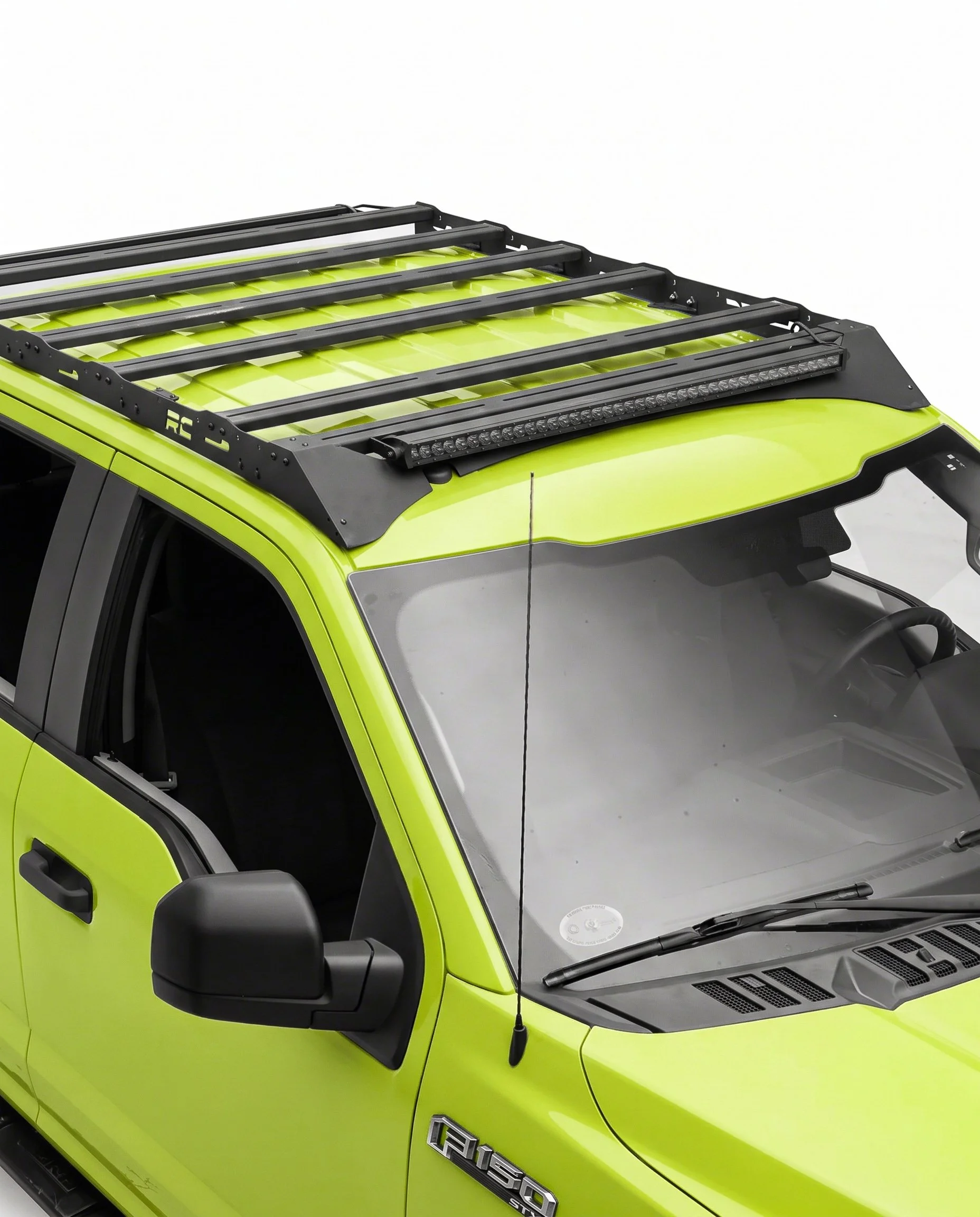
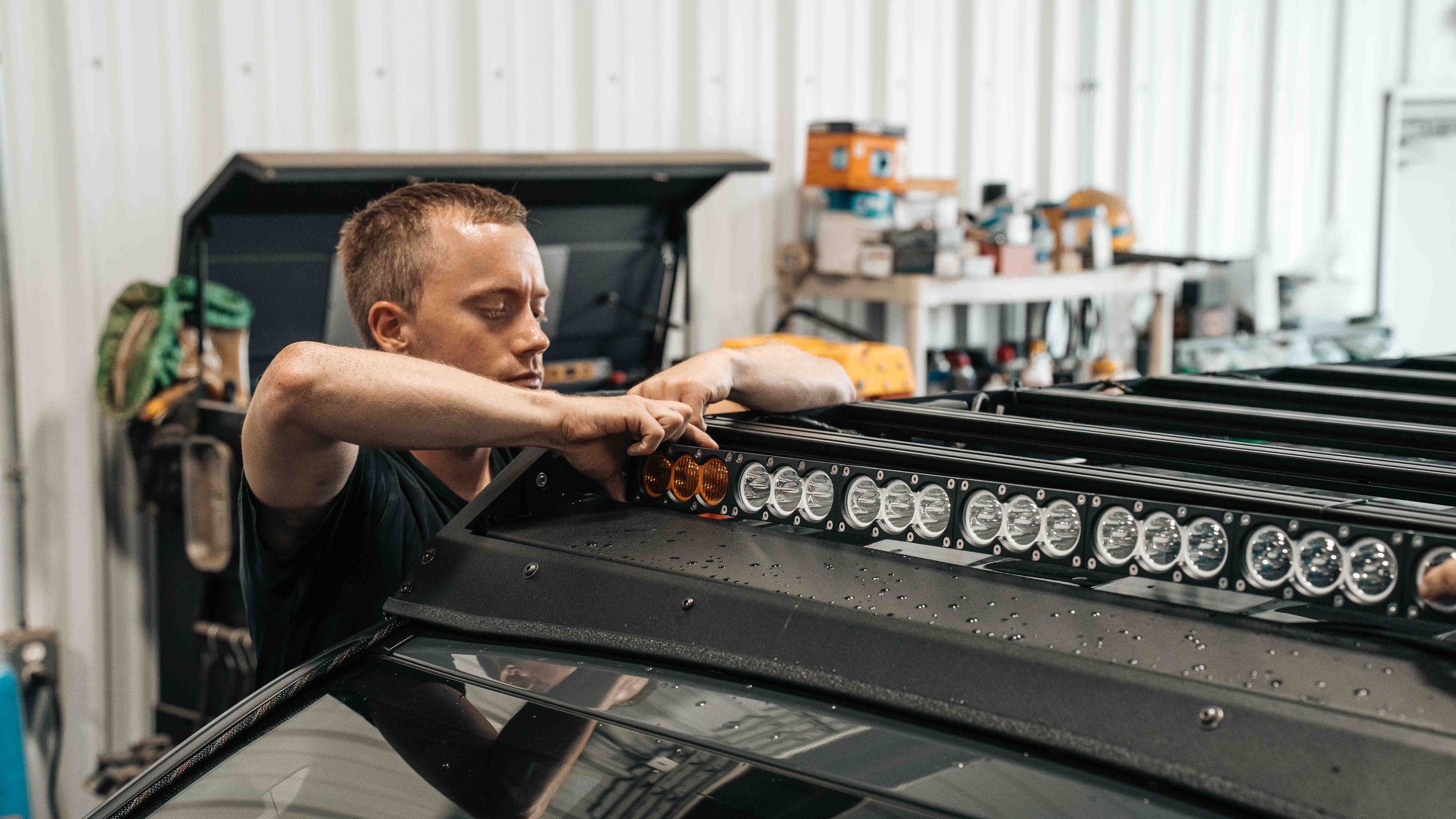
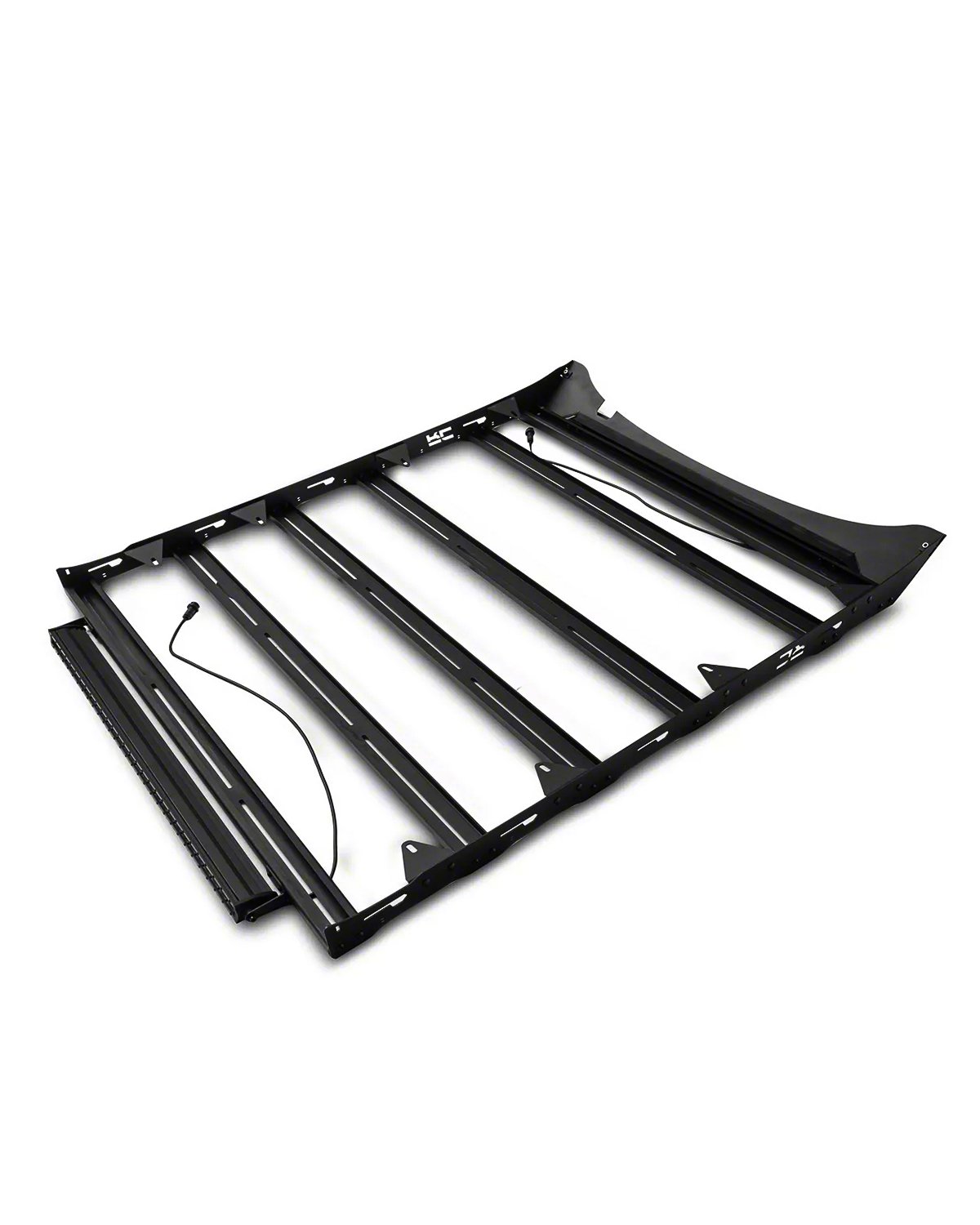
We will not put holes in your roof
This is where most people get nervous, so we will be plain about it. Xtreme does not drill into vehicle roofs to mount a rack. Not for platforms, not for track systems, not for anything.
No holes means no new place for water to get in, no bare metal exposed to road salt, and nothing permanent done to your vehicle that you cannot undo later. If the only way to mount a particular rack is to drill, we will tell you that instead of doing it, and we will help you find a rack that mounts the right way.
And if your roof has no rails at all, that is still not a dead end. Depending on the vehicle, a rack can mount using clips that grip the door frame, or using hidden factory anchor points once the trim covers come off. We look at the actual vehicle first, because the answer changes by make, model, and year.
- Factory rails and factory crossbar mounting
- Hidden factory anchor points uncovered and used
- Door-frame clip systems on compatible vehicles
- Correct fit kit sourced for your exact roof
- Nothing permanent, nothing drilled, nothing to seal shut later
How much weight can your roof actually hold?
Everybody asks this, and the answer has two parts that get mixed up constantly. Knowing the difference is what keeps a setup safe and legal.
Dynamic load, while driving
How much weight the roof can carry while the vehicle is moving. It accounts for braking, cornering, wind, and every pothole between here and wherever you are headed. This is almost always the lower number and usually the one that limits what you can do.
Static load, while parked
How much the roof can hold sitting still. It is typically several times higher than the dynamic number, which is why people can sleep in a rooftop tent that weighs more than the vehicle could carry down the road.
The lowest number wins
You are working against three separate limits at once: your vehicle's published roof rating, the rack's rating, and the rating of the hardware holding it on. Your real limit is the smallest of the three, and it is worth leaving room rather than running at the ceiling.
We check those numbers against your specific vehicle and your specific rack before anything gets ordered. We will not quote you a capacity we have not verified for your setup.
A local roof rack installer serving Pittsburgh since 1978
Fitment Confirmed First
We verify what fits your vehicle before anything is ordered, not after the box shows up with hardware that will not mount to anything.
Installed in Our Own Shop
Your vehicle stays at our Bridgeville facility. Our team mounts it, torques it, checks it, and shows you how the system works before you leave.
One Shop, Not Four
Rack, hitch, cap, tonneau, tint, lift, and rustproofing all happen here. You are not driving all over the South Hills to get one vehicle finished.
Family-Owned Since 1978
We have been on Millers Run Road a long time, and most of our customers came from somebody else telling them to call us.
What are you hauling?
Most people describe the problem this way, so here it is that way. Around here the answers tend to look a little different than the desert-overland setups you see online.
Kayaks, Canoes and Paddleboards
Between the three rivers, Ohiopyle, and every lake within a couple hours, this is the one we see most. J-cradles, saddles, or rollers to make solo loading easier.
Bikes
Roof carriers hold the bike by the wheels or the fork and keep the hatch clear. If you ride the GAP or the Montour often, we will talk through roof versus hitch honestly.
Skis and Snowboards
Seven Springs, Hidden Valley, Laurel Mountain. A ski carrier mounts to your crossbars, holds multiple pairs, and locks.
Cargo Boxes and Road Trips
The least glamorous and probably the most useful thing on this page. Sealed, locking, weatherproof, and it hands you back the whole cargo area.
Camping and Overland Gear
Tents, awnings, water and fuel storage, recovery gear. Platform racks handle this best because you get real mounting surface instead of two bars.
Ladders and Work Equipment
Commercial ladder racks, van roof rails, and work-truck upfitting are handled a little differently. That work lives on our Weather Guard page.
Cars, crossovers, SUVs and trucks
We work on everything that comes through the door, not just trucks. A big share of what we install is a clean set of crossbars so the kayaks stop riding on foam blocks, or a cargo box so the third row is usable on the drive to the shore.
- Cars, crossovers and family SUVs. Honda CR-V, Pilot and Odyssey, Mazda CX-5, Toyota RAV4 and Highlander, Kia Telluride, Hyundai Palisade, Chevy Traverse, Tesla Model Y.
- Subaru. Outback, Forester, Crosstrek and Ascent, where roof configurations vary quite a bit across models and model years.
- Toyota trucks and SUVs. 4Runner, Tacoma and Tundra, including the newer generations that changed the fitment picture.
- Jeep. Wrangler and Gladiator, both with their own rack ecosystems.
- Ford. Bronco and F-150.
- Work trucks and vans. See our Weather Guard page.
Send us your vehicle information before scheduling. We will confirm what mounts to your roof and what your options actually are.
Roof rack installation near Pittsburgh and the South Hills
Our shop is at 150 Millers Run Road in Bridgeville, PA, right off I-79 at Exit 54. We install roof racks for drivers from Bridgeville, Pittsburgh, Mt. Lebanon, Upper St. Clair, Bethel Park, McMurray, Peters Township, South Park, Canonsburg, Carnegie, South Fayette, Collier Township, Scott Township, Robinson Township, and Washington County.
Already bought a rack and cannot get it mounted? Bring it in. We install customer-supplied parts when the product and vehicle are a proper match.
Call 412-257-1006 or request an estimate online with your vehicle year, make, model, and what you plan to carry.
Pair a roof rack with other professionally installed upgrades
Truck Caps
A cap adds secure, weatherproof bed storage, and many caps carry T-slot rails on the roof so a rack can mount right on top of it.
Explore truck capsTrailer Hitches
For bikes and cargo carriers, a hitch is sometimes the better answer than the roof. We will tell you honestly which one fits how you actually load.
See hitch optionsTonneau Covers
Cover the bed, keep gear dry and out of sight, and free the roof up for the loads that actually need to ride on top.
Explore tonneau coversCustomer-Supplied Parts Installation
Already bought the rack? Bring it in with the hardware and instructions and we will get it mounted and torqued correctly.
See installation optionsRoof rack questions
Will a roof rack fit my vehicle if it does not have factory rails?
Do you have to drill into the roof to install a roof rack?
Will a roof rack cause leaks?
How much weight can my vehicle's roof actually hold?
What is the difference between dynamic and static load capacity?
Can I mount a rooftop tent on my SUV or truck?
Will a roof rack make my vehicle noisy on the highway?
Will a roof rack hurt my gas mileage?
Can I still open my sunroof with a roof rack installed?
Can I add bike, kayak, or ski accessories later?
Can Xtreme install a roof rack I already bought?
How much does roof rack installation cost?
Let us figure out what fits
You do not need to know what a fit kit is or which tower matches your rails. Tell us the vehicle and tell us what you are carrying. We will handle the rest.
Not sure what fits? Contact us and let us help.
150 Millers Run Road, Bridgeville, PA 15017, right off I-79 at Exit 54.
Prefer to write? Email sales@xtremetruck.net and our team will follow up.